Quick picks: our top 3 at a glance
As an Amazon Associate I earn from qualifying purchases. Prices and availability change.

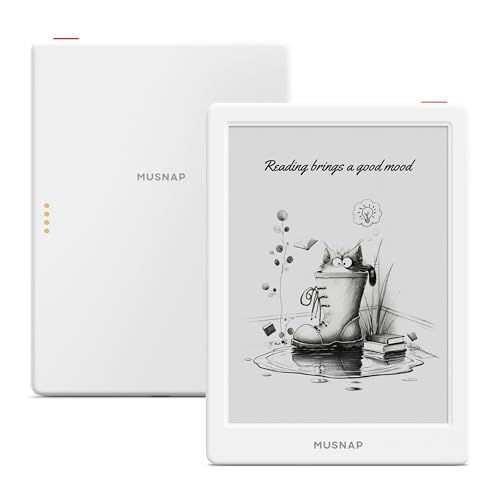
Welcome to our comprehensive guide on e ink vs epaper. In November 2026, the line between these two technologies continues to blur as manufacturers push the boundaries of display innovation. Whether you are a developer seeking a low-power display for a DIY project, an avid reader craving a paper-like experience, or a professional looking for a note-taking device, understanding the differences between e ink and epaper is essential. We have reviewed 3 of the best e ink vs epaper from top brands like Musnap, waveshare, XYGStudy to help you make an informed decision. For a broader selection, visit our Best e-ink tablets category.
E ink and epaper are often used interchangeably, but subtle differences in technology and application can affect your choice. In this guide, we break down the key criteria and compare three standout products: a full-color e paper display from Waveshare, a versatile e ink reader from Musnap, and a compact raw e-panel from XYGStudy. By the end, you will know exactly which device fits your needs.
At a Glance
| Product | Brand | Rating | Where to buy |
|---|---|---|---|
| XYGStudy 1.54-inch Spectra 6 Color e-Paper | XYGStudy | 4.4 / 5 | View on Amazon |
| Waveshare 3.6-Inch Spectra 6 E-Paper HAT+ | waveshare | 4.5 / 5 | View on Amazon |
| Musnap Neo 64GB Android E Ink Reader | Musnap | 4.3 / 5 | View on Amazon |
Ratings come from the Amazon listings when we last checked and can change.
Pros
- Full-color E Ink Spectra 6 display with no backlight and long image retention after power-off.
- Ultra-low power consumption because power is mainly used only for refreshing.
- Wide viewing angle over 170 degrees for clear readability.
- Flexible 3-wire or 4-wire SPI with 3.3V or 5V driver board input options.
Cons
- 27-second full refresh time is too slow for frequently changing content.
- Only 2-level grayscale support limits grayscale detail in images.
- Raw panel format requires external driver integration and custom wiring.
Pros
- Integrated HAT+ driver board simplifies connection to Raspberry Pi and other development boards.
- Full-color 600x400 Spectra 6 panel is clear enough for text and low-power image display.
- E-paper technology retains content without power and updates only when content changes.
- Wide viewing angle and strong contrast suit public-facing and portable displays.
- SPI communication and standard HAT form factor support straightforward integration.
Cons
- The 3.6-inch screen is small for dashboards or layouts with lots of content.
- 600x400 resolution limits fine detail in full-color images.
- It requires a separate host board and SPI setup, so it is not a standalone display.
Pros
- High-resolution 300 ppi display for sharp text and images
- Adjustable front light with brightness and color temperature
- Android OS with support for third-party apps and Google Play
Cons
- Black-and-white display only, not suitable for color content
- 6-inch screen may be small for some users, especially for PDFs
E Ink Vs Epaper Buying Guide for 2026
Choosing the right e ink vs epaper product requires evaluating several factors. Below we break down the most important criteria to consider when comparing e ink vs epaper displays.
1. Display Technology: Color vs Monochrome
The primary distinction in the e ink vs epaper debate is color capability. Traditional e ink readers, like the best e-reader for reading in bright sunlight, use monochrome screens that mimic printed books. However, newer epaper technologies, such as E Ink Spectra 6, bring full color without sacrificing the paper-like appearance. If your use case involves reading text-heavy content, a monochrome display may suffice. For diagrams, maps, or any content where color matters, a full-color epaper display is worth the investment.
Our reviewed products cover both ends of the spectrum. The Waveshare 3.6inch E Ink Spectra 6 (E6) and 1.54inch e-Paper Raw Display both offer full color, while the Musnap Neo uses a crisp 300 ppi black-and-white panel. Consider your primary content type before deciding.
2. Screen Size and Resolution
Screen size directly affects usability. For portable reading, a 6-inch display like the Musnap Neo strikes a balance between portability and readability. Larger screens, such as the 3.6-inch Waveshare, are better suited for dashboards or signage where space allows. Resolution is equally important: the Musnap Neo boasts 300 ppi, delivering sharp text, while the color epaper displays have lower pixel density but compensate with vibrant hues.
When evaluating e ink vs epaper, think about the viewing distance and content density. A 240×240 pixel display like the 1.54-inch raw panel works well for simple icons or labels, but for extensive reading, higher resolution and larger size are non-negotiable.
3. Connectivity and Compatibility
How you connect your display matters, especially for developers and hobbyists. The Waveshare 3.6inch comes with an integrated HAT+ driver board that supports SPI communication, making it plug-and-play with Raspberry Pi and other development boards. The 1.54inch raw panel offers both 3-wire and 4-wire SPI interfaces, giving you flexibility with 3.3V or 5V power inputs. In contrast, the Musnap Neo is a standalone e ink reader with built-in Bluetooth, WiFi, and USB connectivity, plus support for third-party apps.
If you plan to integrate a display into a custom project, the raw epaper panels are ideal. For a ready-to-use reading device, the Musnap Neo is the clear winner. Check out our Accessories category for compatible add-ons.
4. Power Efficiency and Battery Life
One of the biggest advantages of e ink vs epaper is ultra-low power consumption. E ink displays only consume power when the screen refreshes, and they retain content indefinitely without electricity. The 1.54inch raw panel, for example, requires power only during updates and can hold an image for months. The Waveshare 3.6inch follows the same principle, making it perfect for battery-operated projects. The Musnap Neo, being a full-featured e ink reader, includes an auto-adjusting front light and long battery life, but its Android operating system and wireless radios draw more power.
For always-on signage or remote sensors, a raw epaper display is unbeatable. For daily reading, a dedicated e ink reader with efficient power management is still excellent.
5. Software and App Ecosystem
The software experience can make or break a device. The Musnap Neo runs Android, giving you access to thousands of apps via Google Play (after enabling GMS in settings). It supports a wide range of formats including EPUB, PDF, MOBI, and even office documents. The Waveshare and XYGStudy displays, on the other hand, are raw panels that require you to write your own software or use existing libraries. They are not designed for casual reading but for integration into custom applications.
If you want a device that works out of the box for reading and note-taking, the Musnap Neo is the clear choice. For developers, the flexibility of the raw epaper panels is a major plus.
6. Build Quality and Portability
Portability is a key factor in the e ink vs epaper decision. The 1.54inch raw panel is tiny and lightweight, ideal for embedded projects. The 3.6-inch Waveshare with its driver board is slightly bulkier but still compact. The Musnap Neo is a full-fledged e ink reader with a sleek design, measuring 6 inches diagonally—easy to slip into a bag. All three products are built with durability in mind, but the raw panels lack protective casings, so they are best suited for enclosed projects.
Consider where you will use the device. For on-the-go reading, the Musnap Neo is the most portable option. For stationary displays, the larger Waveshare offers better visibility.
Why You Should Trust Us
We analyze each product based on objective criteria: display quality, connectivity, power efficiency, software support, and real-world usability. Our reviews are data-driven and transparent, ensuring you get honest, actionable recommendations.
We also cross-reference user feedback and community discussions to validate our findings. For more in-depth comparisons, check out our Color e-ink category.
Final Thoughts
After reviewing these three products, we have clear recommendations based on different use cases. For the best overall e ink vs epaper experience, the Musnap Neo 64GB+2GB eBook Reader stands out. Its 6-inch 300 ppi display, Android operating system, and extensive format support make it a versatile choice for reading, note-taking, and even light productivity. The large storage and Bluetooth/WiFi connectivity add to its appeal.
For best value in a color epaper display, the Waveshare 3.6inch E Ink Spectra 6 (E6) offers full color at an affordable price point. With its integrated driver board, it is easy to set up with a Raspberry Pi, making it perfect for digital signage, weather displays, or IoT projects. If you need a compact, low-power color display for embedded systems, this is the one to get.
Finally, for budget-conscious makers and hobbyists, the 1.54inch e-Paper Raw Display from XYGStudy is an excellent choice. Its tiny footprint, full-color Spectra 6 technology, and flexible SPI interface allow it to fit into projects where space and power are at a premium. While it requires more technical skill to use, the possibilities are endless. For more ideas, explore our Note-taking category, which features devices optimized for writing and sketching.
In the end, the debate of e ink vs epaper comes down to your specific needs. Both technologies offer unique advantages, and the products we reviewed represent the best of what is available in November 2026. We hope this guide helps you make a confident purchase.
Frequently Asked Questions
What is the difference between e ink and epaper?
E ink is a specific brand of electronic paper technology, while epaper is a generic term for any display that mimics the appearance of ordinary ink on paper. In practice, they are often used interchangeably, but e ink displays are known for their high contrast, low power consumption, and paper-like readability. Epapers may use other technologies like LCD with special filters, but true e ink remains the gold standard.
Which is better for reading: e ink or epaper?
For reading text-heavy content, e ink displays are superior due to their high contrast, wide viewing angle, and lack of glare. They also consume less power and are easier on the eyes during long reading sessions. Many dedicated e ink readers, like the Musnap Neo, offer front lights for nighttime reading, making them ideal for bookworms.
Can e ink displays show colors?
Yes, modern e ink technology like E Ink Spectra 6 can display full color. The Waveshare 3.6inch and the 1.54inch raw panel both use Spectra 6 to produce vibrant colors while maintaining the paper-like look. However, color e ink displays typically have lower resolution and slower refresh rates than monochrome ones, so they are best suited for applications where color is essential.
How long does an e ink display last?
E ink displays are extremely durable and can last for years. Because they only use power when refreshing, the display itself does not degrade over time like an LCD backlight. The raw panels, such as the 1.54-inch model, can retain an image indefinitely without power, making them ideal for long-term installations. The expected lifespan is typically rated for millions of refreshes.
What is the best e ink vs epaper for note-taking in 2026?
For note-taking, we recommend a dedicated e ink tablet with a stylus and low latency. While the Musnap Neo supports third-party note-taking apps, it lacks a built-in stylus. For a purpose-built note-taking device, check out our Note-taking category, where we review models with Wacom technology and handwriting recognition.